
Pool Construction in Los Angeles: What to Expect During Service — Timeline and Steps
Pool Construction in Los Angeles: What to Expect During Service — Timeline and Steps | Sherman Oaks / Los Angeles, CA | Pool Masters LA
Homeowners searching for pool construction in Sherman Oaks and Los Angeles often want to know what happens between the first conversation and the first swim. This guide walks through the timeline and steps of a typical build, explaining how design, approvals, construction and start-up connect. Every property is different, so the sequence is a planning guide rather than a promised completion schedule. Knowing what each phase involves helps you ask useful questions and prepare your household for the work ahead.

Phase 1: Consultation, Site Visit and Design
Start by discussing how you want to use the pool: swimming, relaxing, family recreation or enjoying an attached spa. Bring ideas, but also identify what matters most about the surrounding yard. Seating, walking routes and space for everyday outdoor use should be considered alongside the pool's shape. The consultation connects those goals to a practical design rather than treating a photograph as a construction plan.
At the site visit, the builder looks at yard dimensions, existing paving, slopes, landscaping and access for equipment and materials. Established Sherman Oaks properties can have narrow side passages or limited staging space, which should be discussed early. Ask how the proposed pool relates to the home, utilities and equipment location. Review the drawings and clarify what is included before construction is scheduled.
Phase 2: Permits and Scheduling
Once the design and construction scope are defined, the required plans are prepared and submitted to the authority responsible for the property. A Los Angeles mailing address does not replace checking the actual jurisdiction. Discuss who handles submissions, any engineering and responses to review comments. Necessary approvals should be in place before digging; the permit process is part of the project, not a detail to leave until excavation begins.
Scheduling also needs to account for inspection availability, material coordination and weather. Ask for a phase-by-phase outline that identifies dependencies rather than only a final target date. If approvals require revisions or conditions affect the work, the builder should explain what changes and which later tasks depend on it. Confirm how updates will be shared so you can plan around the next active phase.
Phase 3: Excavation and Site Preparation
The proposed layout is marked so the pool's position and surrounding space can be reviewed before soil is removed. Excavation then creates the area for the planned structure, with equipment access and soil removal coordinated around the property. Ask which route workers and machinery will use and which existing areas need protection. Unexpected ground conditions should be assessed and communicated rather than hidden beneath the next stage.
During this phase, the yard looks like a work site rather than the finished design. Expect disturbed soil, an open excavation and areas set aside for materials or loading. Keep children and pets away from the work zone and avoid using it as a shortcut through the yard. Raise concerns about access or adjacent landscaping with the builder; do not enter the excavation to inspect work yourself.
Explore our pool construction and remodeling services, or contact Pool Masters LA to discuss your pool project.

Phase 4: Steel, Plumbing and the Shotcrete Shell
Reinforcing steel and structural details establish the pool's framework, while plumbing lines and fittings are coordinated with the design. Steps, benches, an attached spa or water features need their planned connections and geometry addressed at the appropriate stage. The yard may still look unfinished, but these less-visible systems support how the pool will function after the decorative surfaces are installed.
Required inspections check applicable work before it is covered. Shotcrete application forms the structural shell around the prepared reinforcement, giving the pool a more recognizable shape. The exact order of plumbing, structural and equipment connections can overlap according to the approved plans. Ask what has been inspected and what happens next; a shell that looks complete still needs finishes, systems and subsequent checks before use.
Phase 5: Tile, Coping, Decking and Equipment
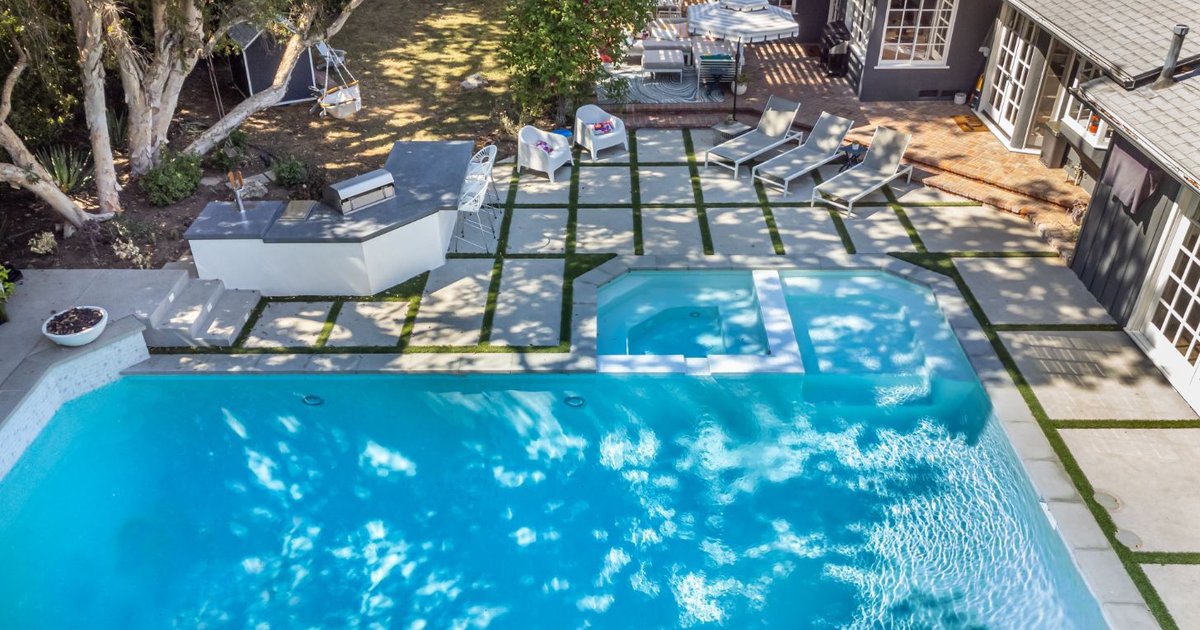
Waterline tile and coping define the transition between the pool and the surrounding yard. Decking creates walking and seating areas, with drainage and connections to existing paving considered as part of the work. Confirm material selections, edge details and the areas included in the agreed scope. This is when the design's visible character becomes clearer, although construction access and protection of new surfaces remain important.
The equipment pad brings together the circulation and other systems specified for the pool. Pump, filter, heating where included, lighting and controls need coordinated connections and space for later service. Ask how equipment placement supports access without conflicting with everyday yard use. A finished-looking deck does not mean the pool is ready for swimming; installation, checks and start-up still need to be completed.
Phase 6: Interior Finish, Fill and Start-Up
Plaster or another selected interior finish gives the inside of the pool its final surface. Preparation and installation follow the requirements of the chosen material, including how steps, benches and fittings are treated. Ask what the homeowner needs to arrange for filling and which instructions apply to the new finish. Do not substitute a general online care routine for the guidance supplied for your particular pool.
Filling and start-up involve more than adding water. Water care, circulation and equipment operation must be addressed, with the responsible person explaining the initial care requirements. Coordinate before adjusting controls, adding chemicals or using the pool. The builder should clarify when it is ready for use and which tasks belong to the homeowner or the person handling ongoing maintenance.
For guidance on assessing an existing pool, read Pool Construction in Los Angeles: Warning Signs You Should Not Ignore. For planning context, see Pool Construction in Los Angeles: Cost Factors Explained for Homeowners.
Phase 7: Final Walkthrough and Learning Your Pool
A walkthrough gives you an opportunity to review the completed work against the agreed scope and raise remaining questions. Ask to see how circulation, lighting and any included spa or water features operate. Locate the equipment and controls together, and make sure you understand which settings are intended for routine use. Note any items that need follow-up instead of relying on memory after the meeting.
Request the relevant operating information and care instructions for the installed equipment and finish. Discuss cleaning, water-care responsibilities and safe access around the pool without assuming that every household will maintain it the same way. Keep those documents with your project records. The goal is a clear handover that helps you use the finished pool confidently and know whom to contact with questions.
How the Timeline Fits Together
These phases depend on each other: excavation follows planning and approvals, work that will be concealed needs the required checks, and finish installation precedes filling and start-up. Some tasks can overlap, while others must wait for inspections or the completion of earlier work. Ask which milestones control the next phase and what needs to be decided by you to keep material and design choices coordinated.
Total timing varies with design complexity, property conditions, weather and the city review process. A schedule for one Los Angeles yard should not be treated as a guarantee for another. Your builder should communicate a schedule for your specific project and explain revisions as conditions change. Keeping the access route clear and asking questions at each handoff makes it easier to understand progress without confusing an inactive day with an abandoned task.
Frequently Asked Questions
What happens first when I start a pool construction project?
The process starts with a consultation and site visit: discussing how you want to use the pool, looking at the yard, access and existing conditions, and then developing a design that fits the property before any construction is scheduled.
What are the main phases of building a pool?
In order, a typical build moves through design and permits, excavation, structural work such as steel and the shotcrete shell, plumbing and equipment, tile, coping and decking, the interior finish, and finally filling, start-up and a walkthrough of how everything works. Inspections happen at required stages along the way.
How long does pool construction usually take?
Timing depends on the size and complexity of the design, the permit process, inspections, weather and site conditions. A reputable builder should give you a phase-by-phase schedule for your specific project and keep you updated when conditions change it.
What should I do at home during construction?
Keep the access route to the yard clear, keep children and pets away from the work area, and stay in contact with your builder about each upcoming phase. Construction is disruptive to a yard for a period, so plan outdoor use accordingly and raise questions as each stage is completed.
Contact Pool Masters LA
Planning pool construction in Sherman Oaks or Los Angeles? Contact Pool Masters LA to discuss your pool project, your property and the steps involved. Call (818) 273-6504 or tell us about your pool through our contact page.
Contact Pool Masters LA