
Pool Construction in Los Angeles: Cost Factors Explained for Homeowners
Pool Construction in Los Angeles: Cost Factors Explained for Homeowners | Los Angeles | Pool Masters LA
A residential pool budget is shaped by the property and the decisions made before construction begins. Two Los Angeles backyards can call for very different work even when the finished pools look similar. In Sherman Oaks, comparing proposals means looking beyond the water's outline to the excavation, structure, equipment and surrounding outdoor space. This guide explains the main cost factors without assigning a price to a yard that has not been assessed.
Excavation and soil conditions
Excavation includes more than digging the pool's shape. Soil must be removed, loaded and transported, and the ground must support the proposed structure. Rock, unstable material, buried debris or unexpected moisture can change the work required. A design on a sloping property may also need a different structural approach from one on a relatively level lot.
Ask what information the proposal uses about your site and what happens if excavation reveals a condition that was not visible beforehand. Where appropriate, soil investigation and engineering help define the scope before major choices are finalized. Separating known work from allowances makes comparisons more useful than treating every excavation as identical.
Pool size, depth and shape
Length, width and depth influence the amount of earth removed, structural material installed and water circulated. A deeper pool can require more work without providing more usable surface area. Curves, raised walls, an attached spa and broad steps add details that need to be considered in both the drawings and the construction scope.
Begin with how you expect to use the pool: swimming, relaxing, family recreation or a combination. A design that fits those activities can be more practical than choosing the largest footprint the yard allows. Consider how the pool will relate to existing patios and walking routes before increasing its dimensions.
Shell and finish materials
The structural shell and the visible interior finish serve different purposes. Reinforcement, structural concrete and engineered details support the pool; plaster, quartz, pebble and tile selections shape its surface and appearance. A hillside or a specialized edge may introduce structural requirements that cannot be evaluated simply by looking at a finish sample.
Compare finish specifications rather than broad labels such as premium. Ask which areas receive each material, how steps and benches are treated, and whether decorative tile is limited to the waterline or extends farther. Keep structural decisions separate from aesthetic upgrades so you can see which choices are necessary and which are optional.
Explore our pool construction services and shotcrete shell application.
Coping and decking
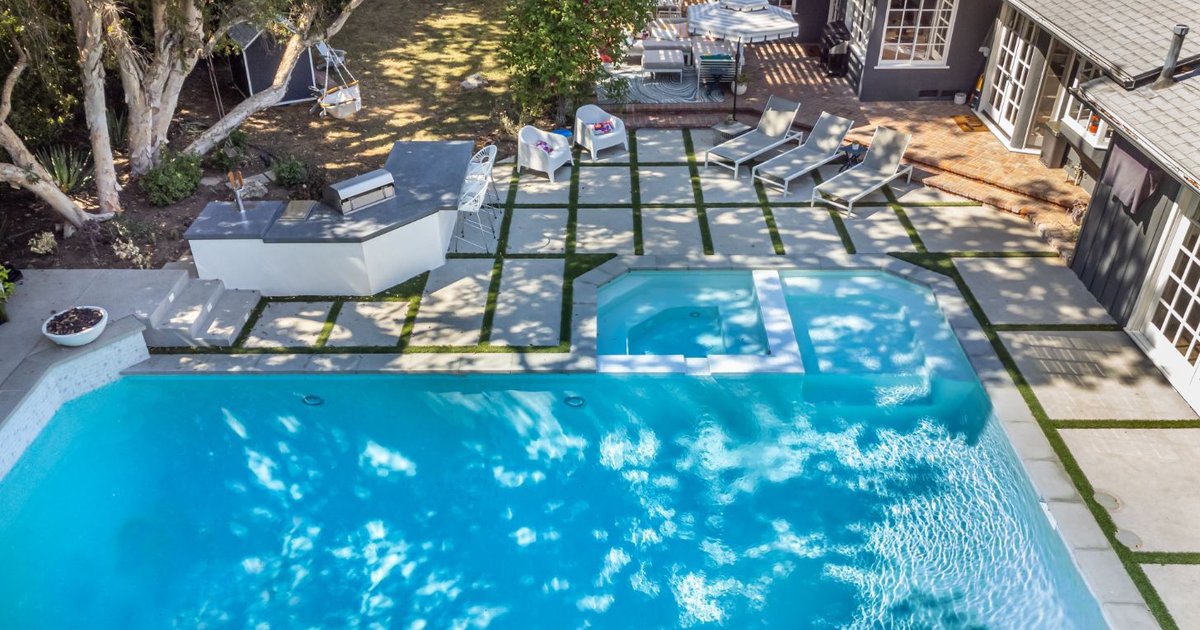
Coping forms the pool's perimeter, while decking determines much of the usable space around it. Material, area, edge profiles and installation details all affect the scope. A modest pool with an extensive surrounding patio can involve more hardscape work than a larger pool with a simpler deck.
Consider drainage, transitions to existing paving and the relationship to doors, gates and landscaping. Ask whether demolition, disposal and restoration are included. Selecting coping and decking together helps clarify the overall design and avoids budgeting for the water alone while leaving the surrounding yard undefined.
Pump, filter, heater and automation
Equipment should be selected for the actual pool and its features. The pump and filter support circulation and cleaning, while a heater adds a separate system to plan for. Automation can coordinate equipment and lighting, but its scope depends on which functions you want to control.
Ask for the proposed equipment specifications and the associated plumbing, electrical and fuel connections. Equipment-pad placement also matters: it must work with the yard layout and the service access needed later. Discuss ongoing operation alongside installation so a decorative upgrade does not overshadow the practical systems that support the pool.

Water features and lighting
An infinity edge, fountain, sheet waterfall or bubbler changes more than the pool's appearance. Features may require additional plumbing, circulation, controls or structural detailing. Lighting choices also affect fixtures, wiring and how different areas of the pool are coordinated after dark.
Prioritize the features you will actually enjoy. A carefully placed light or a single water feature may fit your goals better than several competing elements. Ask for optional features to be identified separately in the estimate, making it easier to compare the essential pool scope with the enhancements.
Permits and engineering
A new residential pool requires planning for permits and applicable local requirements. The relevant authority depends on the property's jurisdiction, not simply its mailing address. Engineering, drawings and review requirements should be discussed for the particular site, especially where slopes or other structural considerations are involved.
Ask who prepares and submits documents and which related requirements are included in the proposal. Inspection coordination, utility considerations and pool-barrier planning belong in the conversation early. They are part of defining a complete project rather than items to assume will be resolved after the design is approved.
Site access and budget-conscious design
Getting equipment and materials into a backyard can materially affect the work. Narrow side yards, limited staging space, existing structures and protected landscaping may require a different excavation or delivery approach. In an established Sherman Oaks neighborhood, access should be assessed rather than assumed from the pool drawing.
Build a list of must-haves and optional choices before requesting estimates. Compare proposals against the same drawings, materials and equipment, and ask how exclusions or unexpected conditions are handled. If you are weighing a new build against improving an existing pool, discuss the condition of its shell and systems before deciding which direction fits your goals.
See our pool remodeling services when comparing options for an existing pool.
Frequently asked questions
How much does it cost to build a pool in Los Angeles?
It depends on the site, excavation, dimensions, structure, finishes, equipment and features described above. A property-specific estimate is more useful than a figure that leaves those choices unspecified.
What is the biggest factor in a new pool budget?
There is no universal answer. Difficult access or ground conditions may dominate one project, while structural complexity or extensive decking may drive another. Ask which items have the greatest influence on your estimate.
How long does pool construction usually take?
The schedule depends on design, permit review, site conditions, inspections and the construction scope. Ask for a project-specific schedule and the factors that could change it; no completion date is guaranteed by this article.
Do I need permits to build a pool in Los Angeles?
Yes, plan for permits and applicable requirements for a new residential pool. Confirm the responsible local authority and the documents, engineering and inspections required for your property during planning.
Can I finance or phase a pool project?
Ask during the estimate about available payment arrangements and whether optional work can be separated. Do not assume financing is offered. Any phased approach needs to preserve required safety measures and coordinate structural and utility work.
Request a free estimate
Discuss your Los Angeles or Sherman Oaks property, priorities and design ideas with Pool Masters LA. Request a free estimate through our contact page or call (818) 273-6504.
Request a free estimate