
Pool Construction in Los Angeles: Warning Signs You Should Not Ignore
Pool Construction in Los Angeles: Warning Signs You Should Not Ignore | Los Angeles, CA | Pool Masters LA
Pools rarely fail overnight. Small warning signs in the surface, water level, equipment and deck usually appear first. Catching them early can make the difference between addressing a repair and discovering a problem that calls for a larger rebuild. That does not mean every mark is structural damage, or that every older pool needs replacing. For homeowners in Sherman Oaks and across Los Angeles, the sensible approach is to document changes, investigate their cause and decide on work only after the pool's condition is understood.
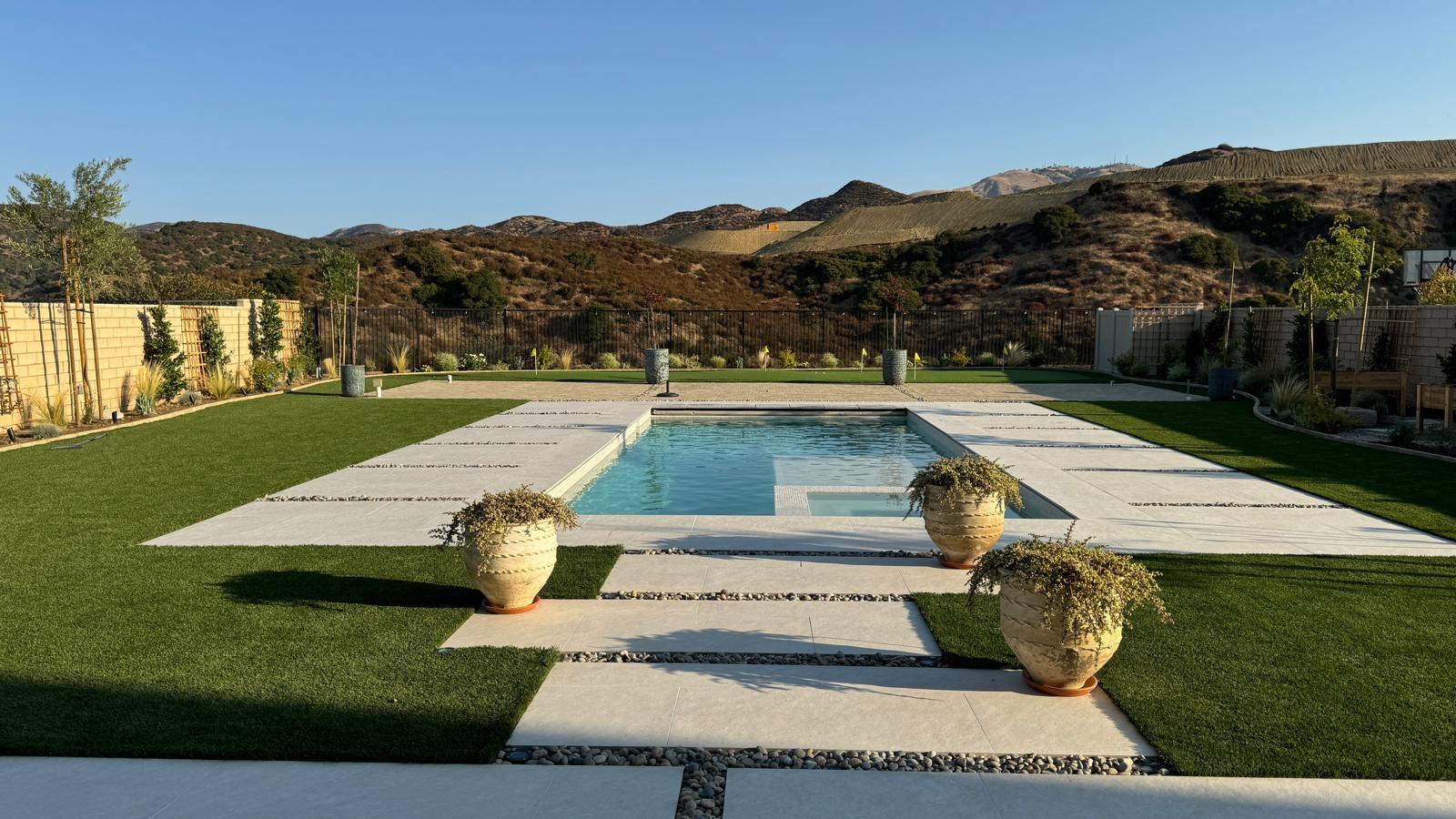
Cracks in the Plaster or Shell
A pool's interior finish and its structural shell are different layers. Fine surface crazing can be cosmetic, while a crack that widens, returns after repair or coincides with water loss deserves closer investigation. A line seen through the water does not, by itself, tell you how deep the damage goes. Avoid assuming that a fresh finish will resolve movement in the structure beneath it.
Photograph the crack from a consistent position and note where it begins and ends. Record whether it crosses steps, fittings or tile, and whether nearby decking has changed too. Give those observations to the person inspecting the pool. If movement or shell damage is suspected, ask what further evaluation is appropriate before choosing a patch, resurfacing or structural work. Do not drain the pool yourself to get a better look; draining needs a professional assessment of the site and pool.
Water Loss That Is Not Just Evaporation
Warm weather, wind, splashing and water features can all affect the water level. An unexplained drop that continues when use and weather are similar is worth investigating. A simple bucket test compares the change in the pool with the change in a bucket of water placed securely on a step. Mark both starting levels and compare them under similar conditions, without topping up the pool during the comparison.
The test is a screening tool, not a way to locate a leak. Automatic filling, rain or heavy use can make the comparison misleading. Note whether loss seems different with equipment running, and look for unusual damp areas near the equipment pad or deck. Leaks can involve plumbing, fittings or the pool itself, so renewing plaster without identifying the source may leave the problem unresolved. Arrange an assessment rather than repeatedly adding water and overlooking a changing pattern.
Stains, Rough Spots and Fading Finish
Staining does not always mean the finish has failed. Metals in the water, organic debris and deposits can change its appearance. A fading color, an uncomfortable step or a rough patch may instead reflect an aging surface. Look at whether the problem is isolated, appears after debris collects or is spreading across areas that receive different amounts of sun and use.
Share your water-care history and any previous surface work during an inspection. Avoid choosing aggressive cleaning or applying chemicals based solely on the stain's color. The appropriate treatment depends on the material and the cause. Persistent roughness, flaking or discoloration can justify a resurfacing discussion, but the shell and any unexplained water loss should be assessed separately. A new-looking surface is not evidence that hidden plumbing and structure are sound.
Explore our pool construction and remodeling services, or contact Pool Masters LA to discuss what you have noticed.
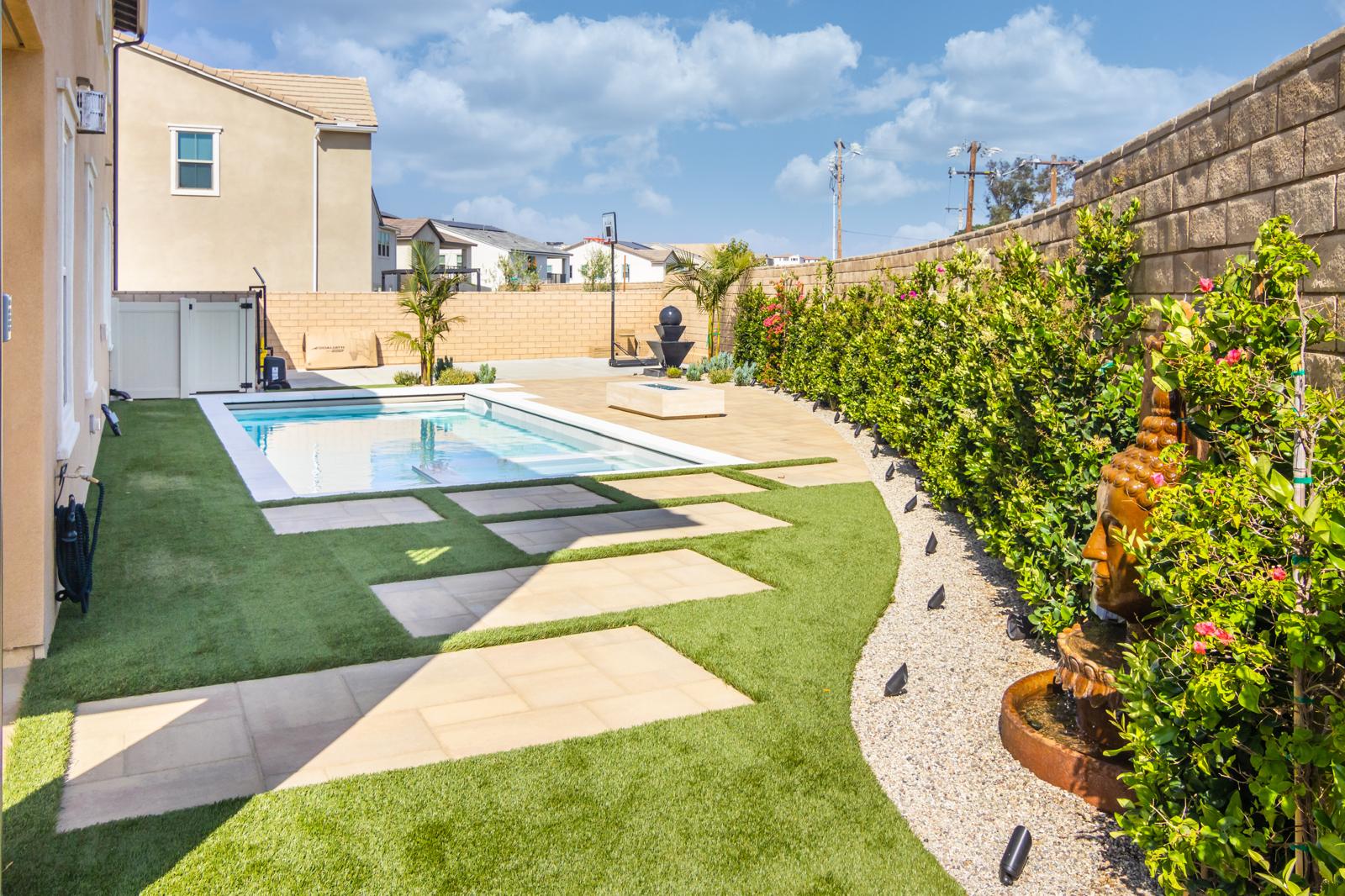
Tiles and Coping Coming Loose
Waterline tile and coping form the transition between the pool and the surrounding deck. Missing grout, loose pieces, uneven edges and cracks along that transition can be signs of localized deterioration or movement. A loose coping piece is also a practical safety concern: keep people away from an unstable edge until it can be assessed. Do not treat a piece that rocks underfoot as merely an appearance issue.
Ask whether the damage is limited to a few pieces or reflects a problem in the supporting material or adjacent deck. Reattaching tile without understanding why it detached can allow the same symptom to return. In established Sherman Oaks yards, consider drainage and the condition of adjoining paving alongside the pool edge. Photograph changes and explain any previous repairs so the proposed work addresses the cause, not just the visible gap.
Equipment and Circulation Warning Signs
Unusual pump noise, recurring air bubbles, weak return flow, repeated faults or water that no longer stays clear can signal a circulation problem. These symptoms do not automatically mean the pool needs rebuilding. They may involve equipment, filtration, plumbing or water care, and each calls for a different response. Note when the symptom appears and whether it changes with particular equipment or water features operating.
Keep available equipment records and share recent maintenance or repairs. Do not open electrical equipment or bypass a fault to keep the system running. Ask a qualified professional to identify the cause and explain which parts remain serviceable. If equipment changes are proposed as part of a remodel, compare them with the actual pool and its features rather than assuming a cosmetic renovation requires replacing every system.
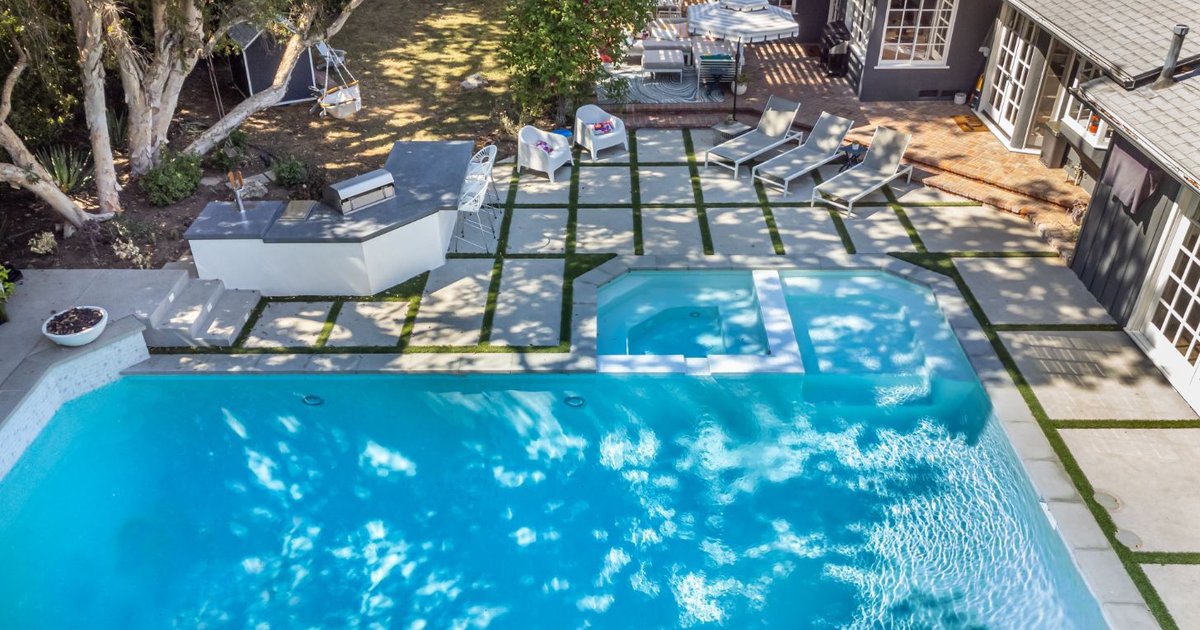
When a Warning Sign Means It Is Time to Call a Builder
Growing cracks, persistent unexplained water loss, unstable coping and recurring circulation problems deserve attention before selecting new finishes. An inspection should distinguish surface wear from structural, plumbing and equipment concerns. Ask what evidence supports the diagnosis, what can be retained and which alternatives address the underlying problem. A repair, a resurface and a rebuild are different scopes, not interchangeable labels.
Pool Masters LA builds and remodels pools in Sherman Oaks, Los Angeles and Orange County. Gather photographs, notes about water loss and records of earlier work before discussing your pool. Separate necessary repairs from optional design changes, and request a clear explanation of the proposed scope. An assessment helps connect each recommendation to a specific symptom rather than treating every warning sign as a reason to replace the pool.
For context on choosing the right scope, read Pool Remodeling in Los Angeles: Repair, Resurface or Rebuild — How to Decide. If you are considering new construction, see Pool Construction in Los Angeles: Cost Factors Explained for Homeowners.
Frequently Asked Questions
Are hairline cracks in a pool always serious?
Small surface crazing in plaster can be cosmetic, but cracks that grow, leak or run through the shell should be inspected promptly, because they can point to movement or structural wear.
How can I tell if my pool is leaking or just evaporating?
In warm Los Angeles weather some evaporation is normal. A simple bucket test — comparing the water loss in the pool with water in a bucket on the steps — can show whether the pool is losing water faster than evaporation explains.
What do stains on the pool surface mean?
Stains can come from metals in the water, organic debris or an aging finish. Persistent staining, roughness or discoloration is often a sign the surface is reaching the end of its life and may need resurfacing.
When should I call a pool builder about a warning sign?
Call when you see growing cracks, unexplained water loss, loose tiles or coping, or equipment that no longer keeps the water clear. An inspection can confirm whether you need a repair, a resurface or a larger rebuild.
Contact Pool Masters LA
Noticed a warning sign in your Los Angeles or Sherman Oaks pool? Contact Pool Masters LA to discuss an inspection and whether repair, resurfacing or a larger rebuild is appropriate. Call (818) 273-6504 or tell us about your pool through our contact page.
Contact Pool Masters LA