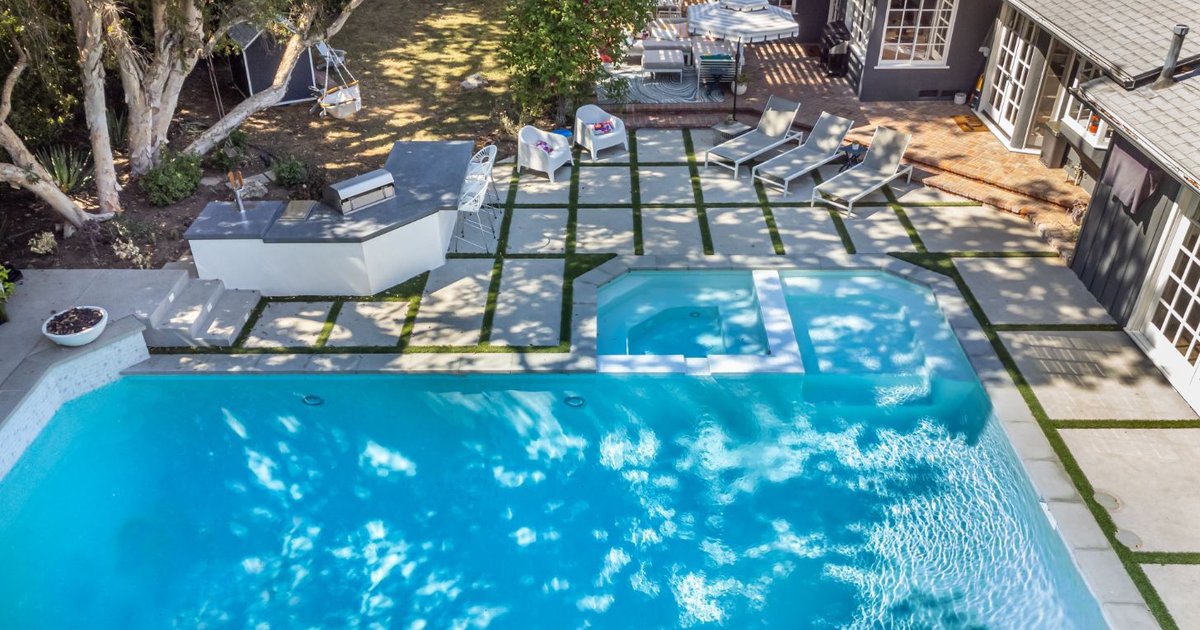
Most pool construction problems start long before the first shovel enters the ground. They begin with a rushed decision, a vague proposal or an assumption nobody checked. For homeowners researching pool construction in Sherman Oaks and across Los Angeles, the weeks before booking are when the most important choices are made. This guide walks through the common mistakes homeowners make at that stage and how to avoid them, so your project starts on a clear, well-documented footing.
November is when many Los Angeles homeowners start thinking seriously about a new pool. The weather is milder, the yard is quieter and there is time to plan before the busier building months arrive. For homeowners researching pool construction in Sherman Oaks and across Los Angeles, fall is less about digging immediately and more about preparing well: clarifying the design, understanding the site, organizing approvals and choosing the right provider. This guide explains what seasonal preparation involves, so a project that begins in the cooler months is set up to proceed smoothly.
Choosing who builds your pool shapes the whole project: the design, the schedule, the communication and the finished backyard you live with for years. Homeowners researching pool construction in Sherman Oaks and across Los Angeles often receive proposals that look similar at first glance but differ in scope, materials and responsibilities. This guide explains what to ask, how to compare proposals and which warning signs deserve attention, so you can make a decision based on clear information rather than a quick impression.
Homeowners searching for pool construction in Sherman Oaks and Los Angeles usually focus first on the finished backyard. Once a new pool is filled, a consistent care routine helps protect that investment and makes small changes easier to notice. This maintenance checklist covers water chemistry, cleaning, circulation and equipment observations without assuming that every pool needs the same settings. Start with the handover instructions for your installed finish and equipment: new-pool start-up care can differ from routine maintenance, and a generic checklist should never replace those specific directions.
Homeowners searching for pool construction in Sherman Oaks and Los Angeles often want to know what happens between the first conversation and the first swim. This guide walks through the timeline and steps of a typical build, explaining how design, approvals, construction and start-up connect. Every property is different, so the sequence is a planning guide rather than a promised completion schedule. Knowing what each phase involves helps you ask useful questions and prepare your household for the work ahead.
Pools rarely fail overnight. Small warning signs in the surface, water level, equipment and deck usually appear first. Catching them early can make the difference between addressing a repair and discovering a problem that calls for a larger rebuild. That does not mean every mark is structural damage, or that every older pool needs replacing. For homeowners in Sherman Oaks and across Los Angeles, the sensible approach is to document changes, investigate their cause and decide on work only after the pool's condition is understood.
An aging pool does not automatically need to be replaced. A stain, a rough step and a falling water level can point to very different problems, and treating them as one cosmetic issue can lead to unnecessary work. For a Los Angeles or Sherman Oaks homeowner, the useful starting point is an assessment of the shell, interior finish, plumbing and equipment. Separate what needs attention from what you would like to change, then compare repair, resurfacing and broader remodeling against the same priorities.
A residential pool budget is shaped by the property and the decisions made before construction begins. Two Los Angeles backyards can call for very different work even when the finished pools look similar. In Sherman Oaks, comparing proposals means looking beyond the water's outline to the excavation, structure, equipment and surrounding outdoor space. This guide explains the main cost factors without assigning a price to a yard that has not been assessed.